Preserving the Atlantic Forest
Why Reforestation Matters
Restoring native trees in Minas Gerais supports biodiversity, combats climate change, and helps create a sustainable future for the Atlantic Forest region.
Key Challenges of the Atlantic Forest
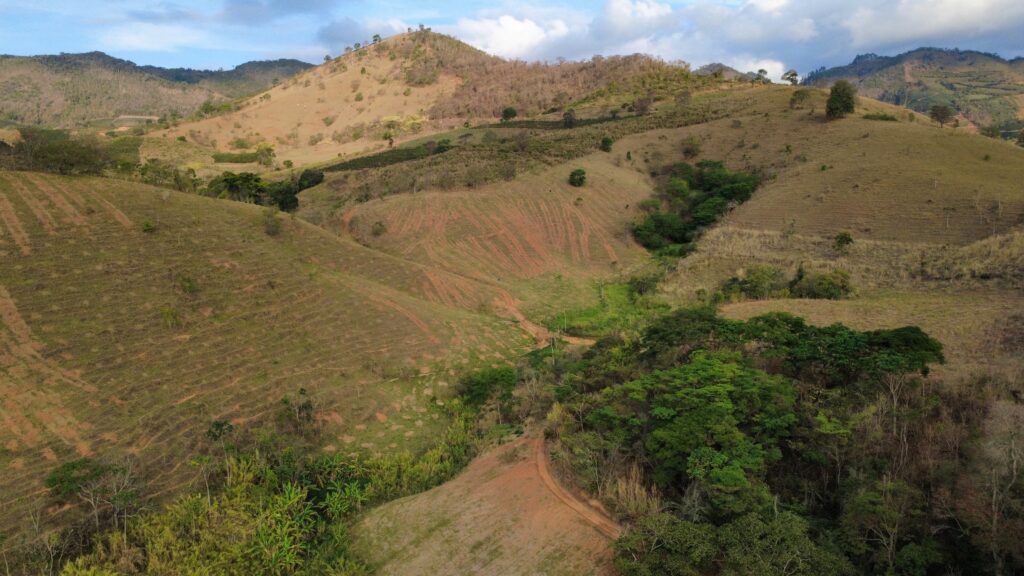
Understanding the urgent threats to biodiversity and sustainability in Minas Gerais, Brazil.
The Atlantic Forest faces severe environmental pressures that threaten its rich biodiversity and the livelihoods it supports. Addressing these challenges is essential for long-term ecological health and sustainable development in the region.
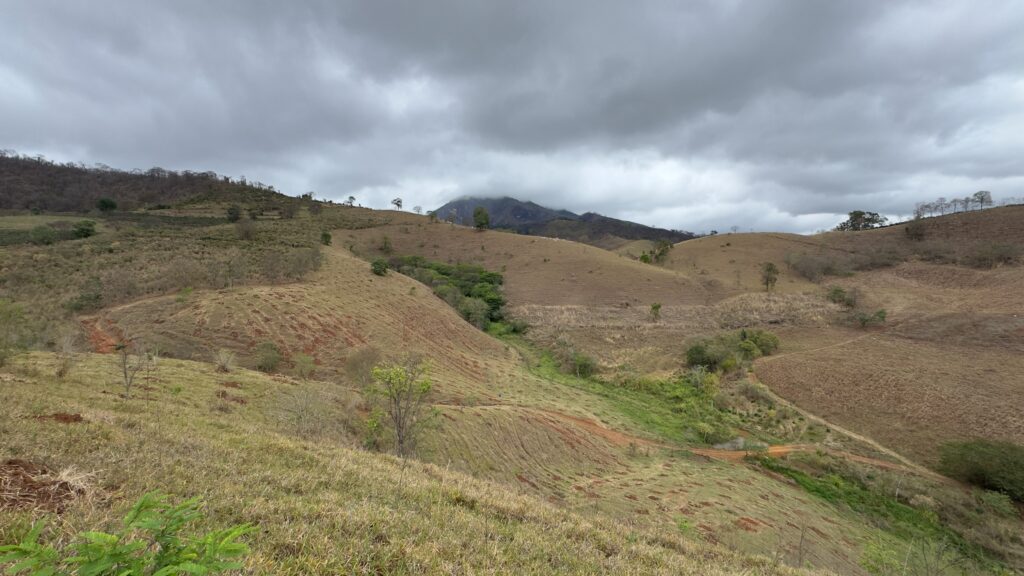
Deforestation
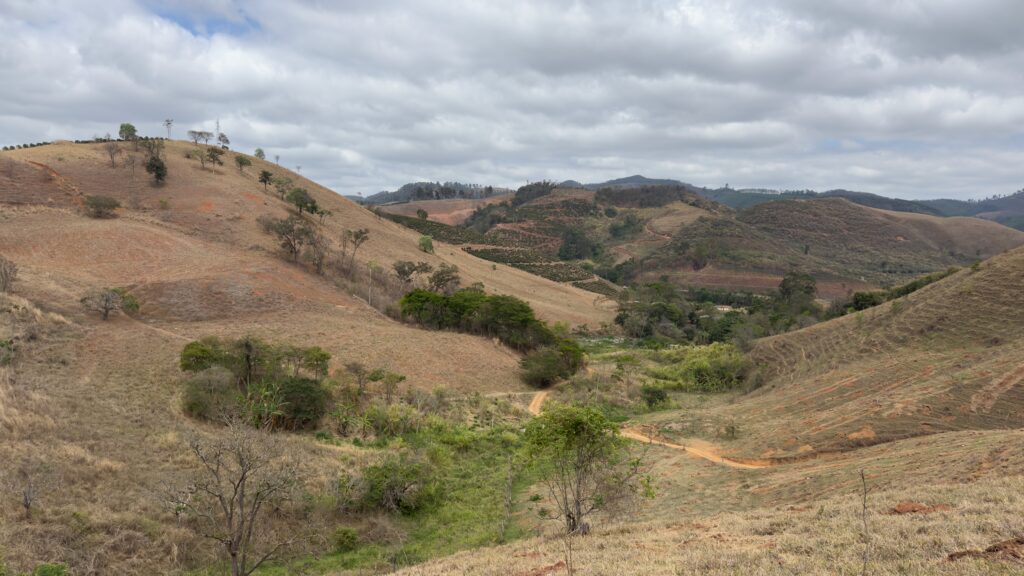
Widespread tree removal for agriculture and development has drastically reduced the Atlantic Forest, leaving only a fraction of its original area.
✓ Preserves natural habitats for wildlife
✓ Reduces soil erosion
✓ Supports climate regulation
Biodiversity Loss
The region is home to thousands of unique plant and animal species, many of which are endangered due to habitat destruction and fragmentation.
✓ Protects rare and endemic species
✓ Maintains ecological balance
✓ Promotes genetic diversity
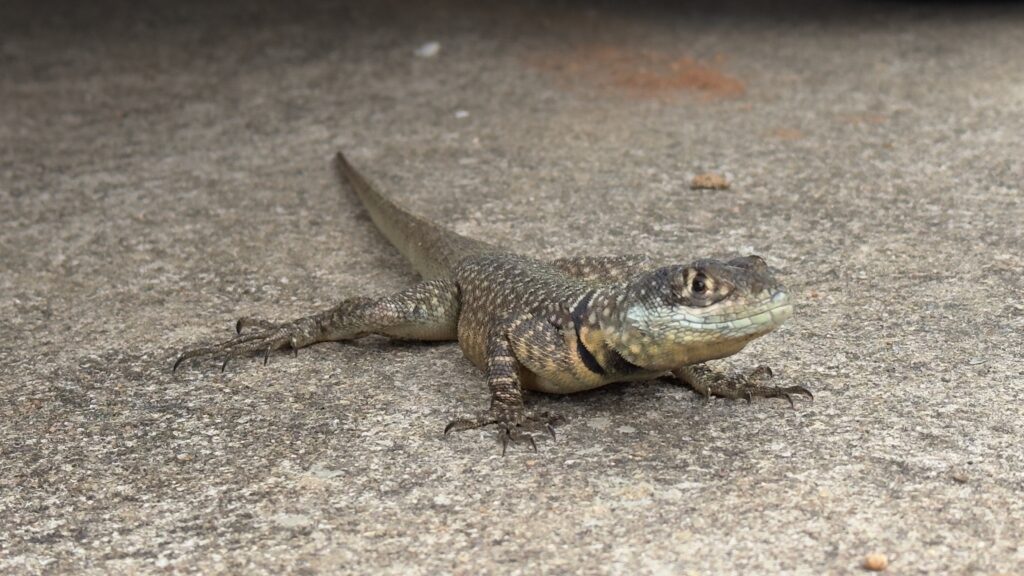
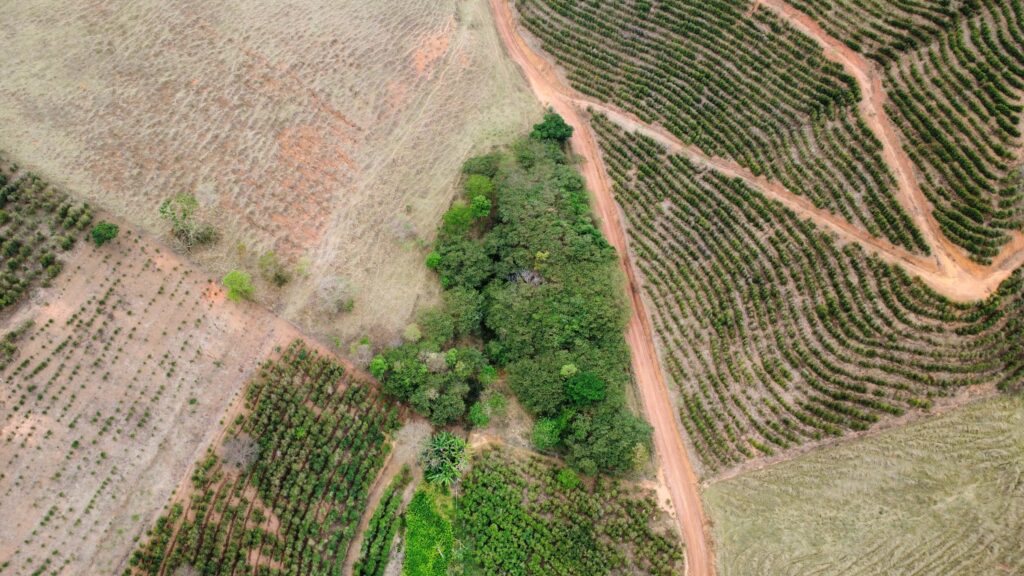
Habitat Fragmentation
Remaining forest patches are isolated, making it challenging for species to migrate and ecosystems to function effectively.
✓ Enables wildlife movement
✓ Improves ecosystem resilience
✓ Supports sustainable farming practices
Why Biodiversity and Reforestation Matter
Restoring native trees in Minas Gerais supports the recovery of the Atlantic Forest’s unique ecosystems. This region is home to thousands of plant and animal species, many of which are found nowhere else in the world.
Protecting biodiversity safeguards vital ecological processes such as water cycling, soil health, and climate regulation. Healthy forests help capture carbon, reduce the risk of erosion, and buffer communities against extreme weather.
Reforestation and sustainable farming practices also benefit local communities by improving air and water quality, supporting pollinators, and creating opportunities for responsible land use. By conserving and restoring native habitats, we contribute to a more resilient environment for present and future generations.
Ecological and Social Benefits
How reforestation enhances the Atlantic Forest and supports local communities
Reforestation in the Atlantic Forest region delivers measurable ecological and social benefits. Through a combination of native tree planting and sustainable land management, Fazenda Barra Alegre promotes biodiversity, improves ecosystem services, and creates new opportunities for local communities.
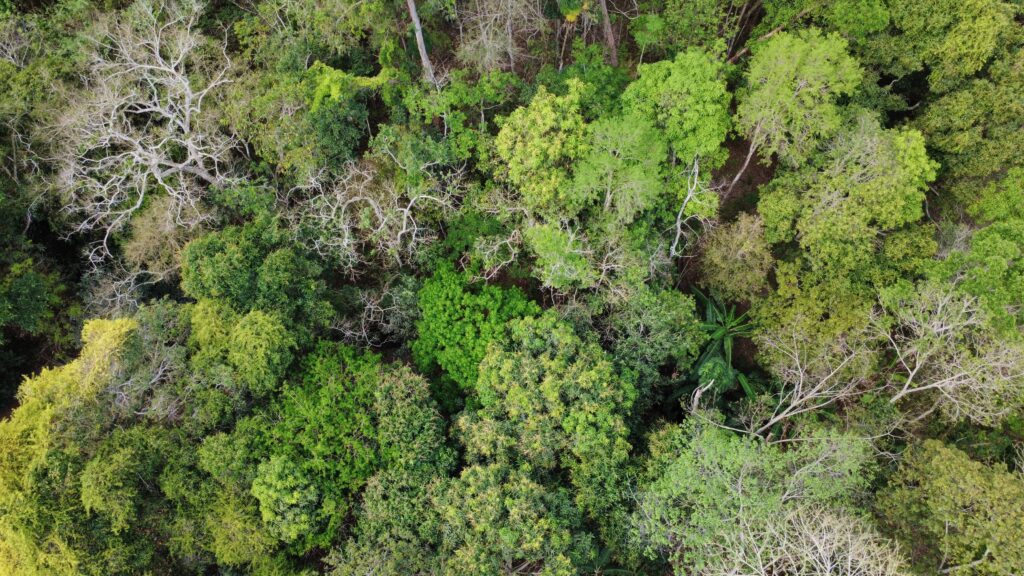
Carbon Capture and Climate Action
Planting native trees helps absorb carbon dioxide, mitigating climate change and supporting a healthier atmosphere for future generations.
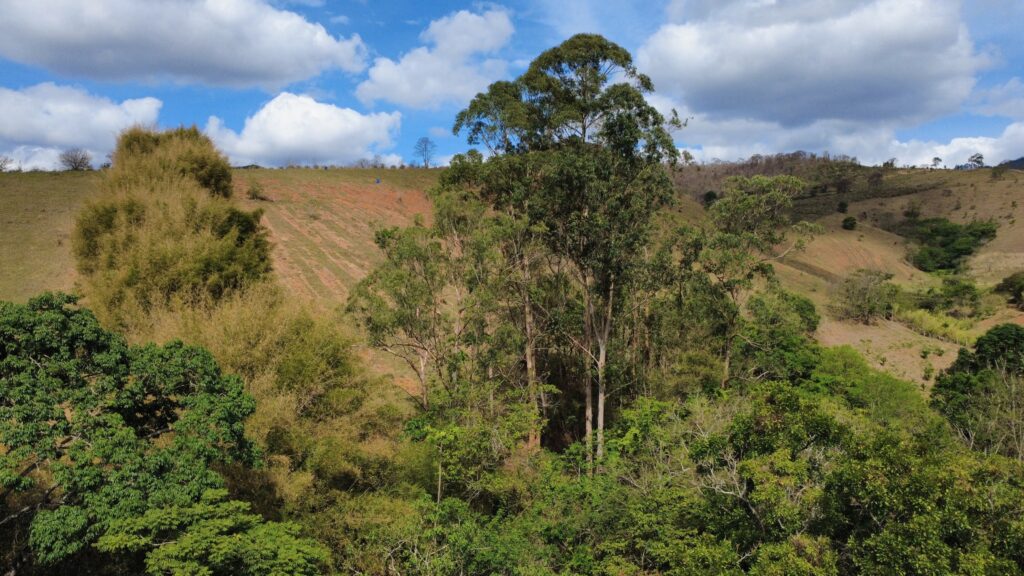
Water Cycle Restoration
Reforestation restores natural water cycles, helping to regulate rainfall, prevent erosion, and safeguard water sources vital for farms and communities.
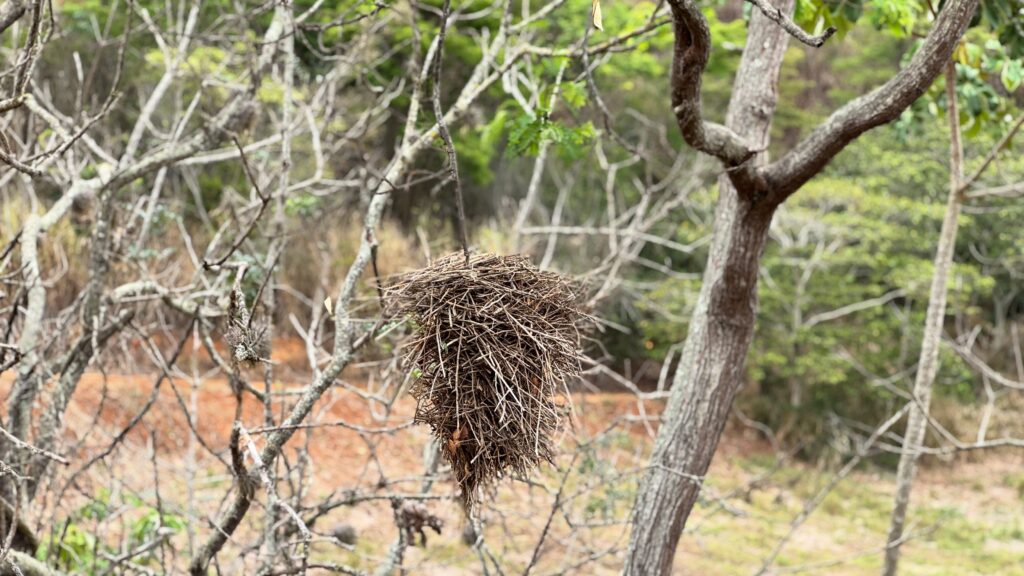
Biodiversity Conservation
By planting a diverse range of native species, the project creates habitats for wildlife and protects the genetic heritage of the Atlantic Forest.
Sustainable Farming Integration
Combining reforestation with sustainable agriculture supports local farmers, promotes soil health, and ensures a balanced relationship with the land.
Get Involved in Reforestation
Support Sustainable Growth in the Atlantic Forest